El Niño and Beyond: Is Sri Lanka Adequately Preparing for Rising Climate Risks and Variability?
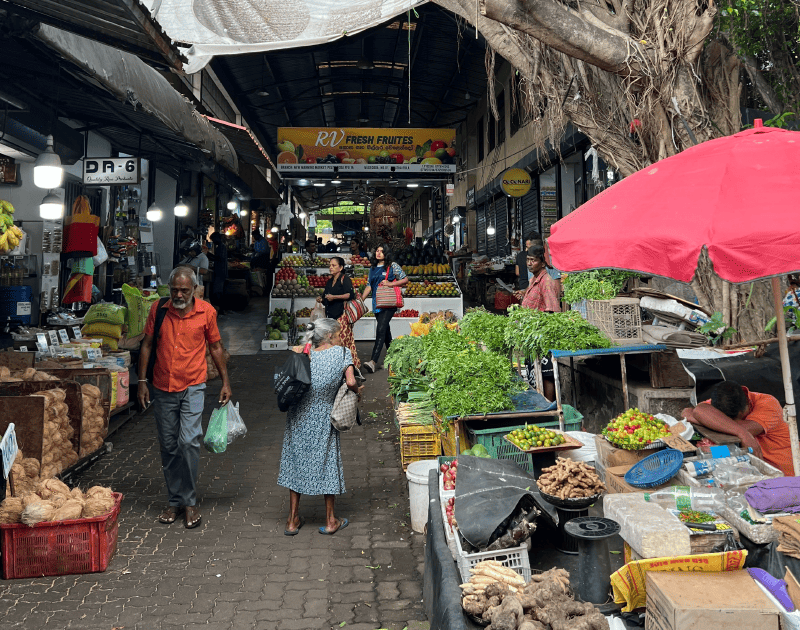
As Sri Lanka continues to brace for El Nino’s impacts in the coming months, and also plan for broader climate adaptation, it is crucial to ask what we are doing to adapt to increasingly varying climate impacts. Interventions so far are more focussed on vulnerable economic sectors and less on vulnerable people across the country. Research by CSF and CUL over the years points to critical gaps in how wider climate impacts are understood and addressed, and where stronger protections are needed.
Policy Note: Designing a Credible Trade Adjustment Programme for Sri Lanka’s Renewed Tariff Rationalisation Plans
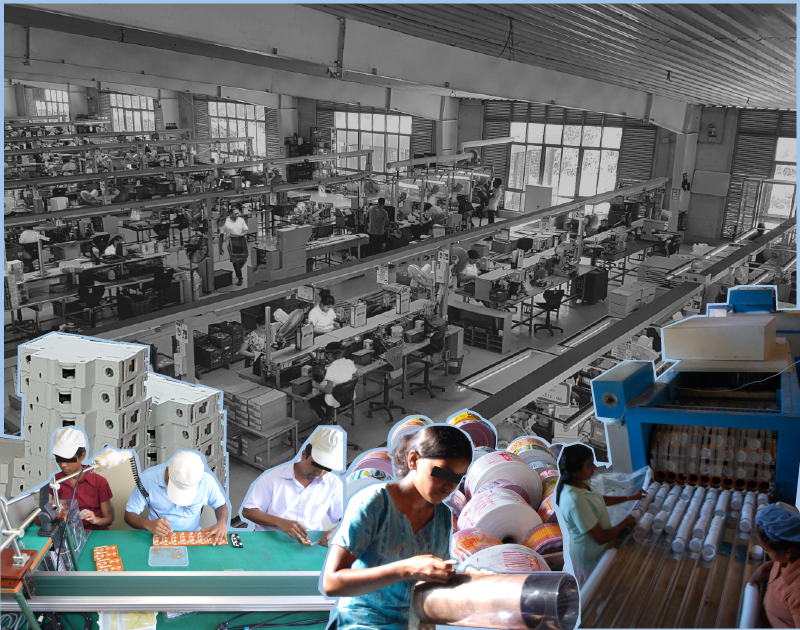
Sri Lanka must design a trade adjustment mechanism alongside government plans for tariff rationalisation and recommencing FTAs, to help workers and firms respond to new conditions. The templates and reference material for technical design already exist; what is required now is the institutional will to implement them firmly and credibly.
Can Colombo’s Growth Work for both People and Nature?
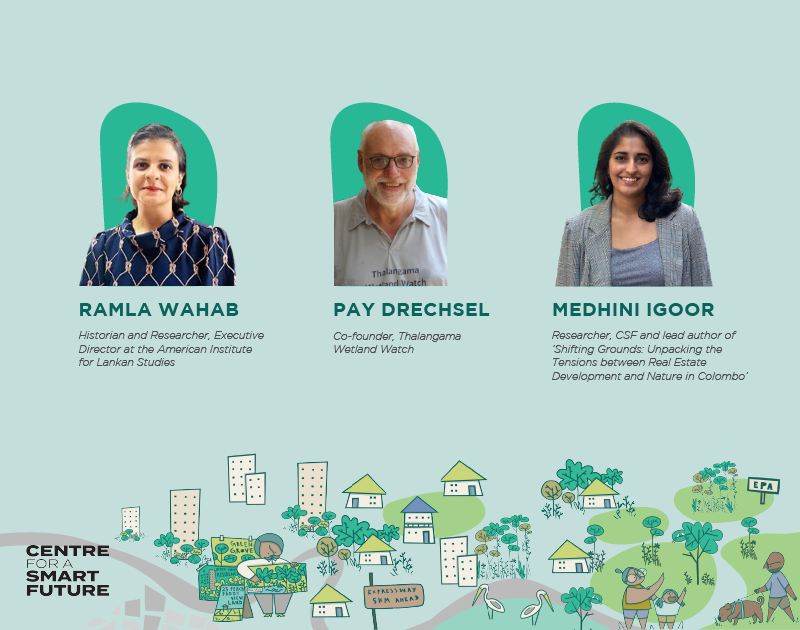
Can the city continue to grow without losing the ecosystems that make it resilient and liveable? How can city planning better reflect the needs of the people who already live in these neighbourhoods? What kind of growth are we choosing, and can it work for both people and nature? Drawing from CSF research, and using Thalangama and surrounding suburbs as a lens, we are exploring how these tensions are playing out on the ground and what they reveal about the future of Colombo's growth.
Women in Sri Lanka’s Gig Economy: Stakeholder Roundtable and Analytical Note
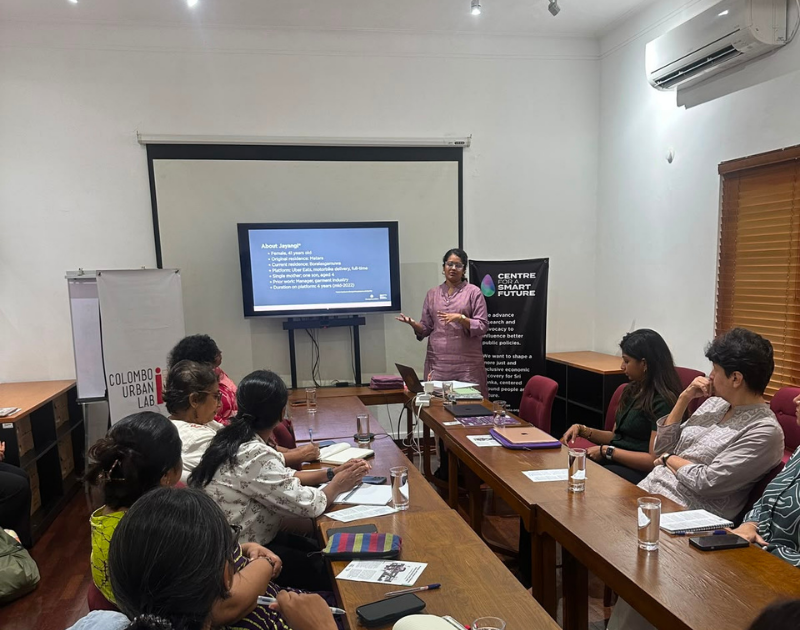
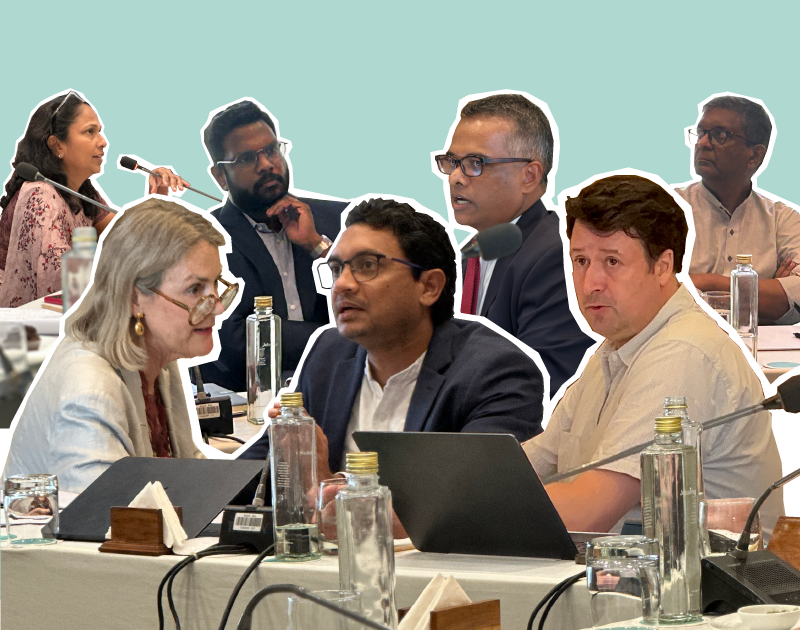
Recently, CSF and The Asia Foundation convened a Stakeholder Roundtable to examine the intersection of gender and platform-mediated gig work, bringing together labour advocates, and employer association representatives and researchers. The discussion covered data gaps, employment classification, social protection, occupational safety, and algorithmic opacity. Download the Analytical Note from the discussion.
Centre for a Smart Future (CSF) and the SOAS Centre for Sustainable Finance hosted an Expert Roundtable in Colombo on 'The Return of Industrial Policy: Considerations for Trade, Competitiveness, and Green Growth in Sri Lanka'. The session examined the global resurgence of industrial policy and what this shift means for a small economy like Sri Lanka.
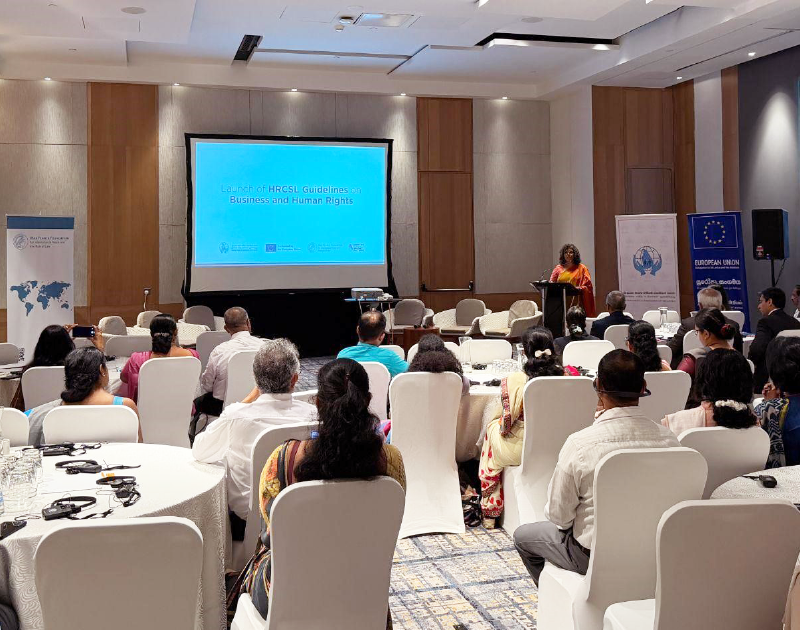
CSF and Max Planck Foundation Support Launch of Sri Lanka’s Business and Human Rights Guidelines
Sri Lanka’s first national guidelines on business and human rights were launched by the Human Rights Commission of Sri Lanka (HRCSL) supported by CSF and Max Planck Foundation. It will help strengthen responsible business conduct in Sri Lanka and ensure human rights considerations are integrated into business practices.