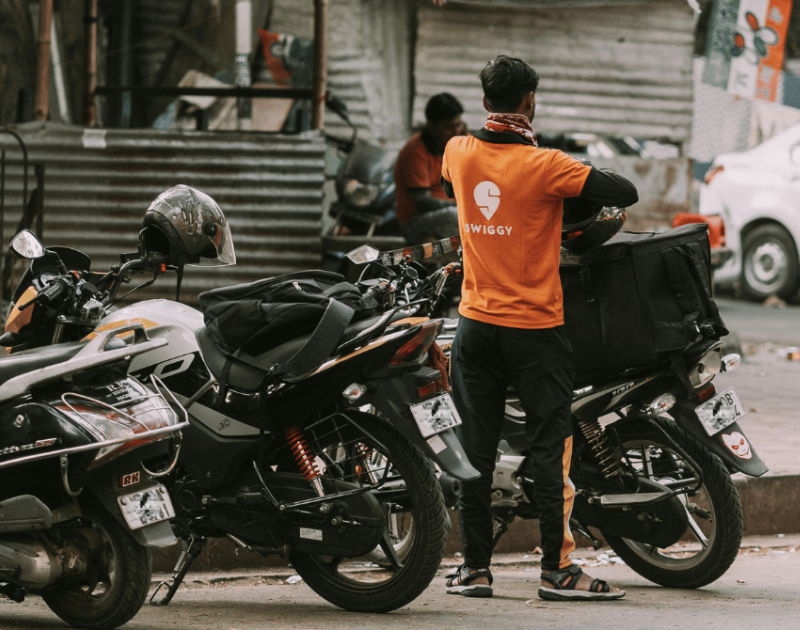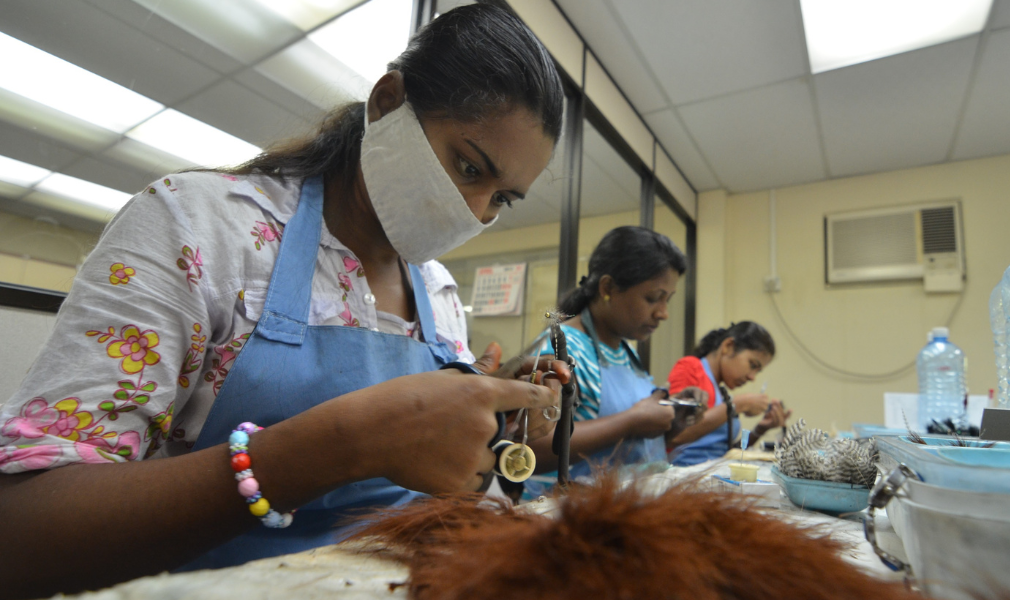

Business and Human Rights (BHR) sits at the intersection of economic activity and human rights. It becomes most visible in moments where that relationship breaks down – when a garment worker faces unsafe conditions in a factory supplying global brands, when a coastal fishing community loses access to livelihoods due to a tourist resort development, or when workers on a food delivery app navigate extreme heat without basic protections. It is in this context that the United Nations Guiding Principles on Business and Human Rights (UNGPs) establish a widely accepted baseline: while governments have a duty to protect human rights, companies have a responsibility to respect them.
The modern BHR framework builds on this foundation, recognising that business responsibility is no longer limited to direct operations but extends across entire value chains, including suppliers, contractors, and partners.
Concepts such as human rights due diligence (HRDD) and access to remedy then become central. Together, they shift the focus from reacting to harm toward identifying and managing risks before they materialise, while also ensuring accountability when they do. In this sense, BHR reframes human rights not as an external concern, but as something embedded within how businesses function.
From CSR to Risk and Responsibility
For much of the late 20th century, business engagement with human rights was relatively limited. Human rights were largely understood as the responsibility of states, while businesses focused on economic output. Companies tended to approach these issues through the lens of corporate social responsibility (CSR), philanthropy, or sustainability reporting. These efforts were often voluntary, reputational, and disconnected from core operations.
Even where companies adopted codes of conduct or supported community initiatives, these actions rarely translated into systematic approaches to managing risk across supply chains.
Why the Conversation Shifted
The shift toward a more structured BHR framework was driven by changes in the global economy. The expansion and increasing complexity of global supply chains, increased attention on labour and environmental abuses, and corporate involvement in fragile or conflict-affected contexts exposed gaps in accountability. Attempts to directly regulate corporate behaviour at the international level, such as the 2003 UN Draft Norms, failed to gain consensus. However, they highlighted a growing recognition that voluntary approaches were insufficient. What emerged instead was a more pragmatic framework that clarified roles: states as duty-bearers, and businesses as responsible actors within that system.
The UN Guiding Principles and Beyond
The adoption of the UN Guiding Principles in 2011 marked a turning point. Developed under John Ruggie, the UNGPs introduced the “Protect, Respect, Remedy” framework, which remains the foundation of the BHR agenda today. Since then, these principles have diffused across multiple global organisations. The Organisation for Economic Co-operation and Development (OECD) and the International Labour Organization (ILO) have incorporated BHR standards into their guidelines, while investor frameworks including ESG ratings and disclosure requirements, alongside corporate initiatives such as the UN Global Compact, have helped translate these principles into business practice.
This diffusion has been critical. It has transformed BHR from a UN-led initiative into a broader global governance agenda shaping how businesses operate across jurisdictions.
Human Rights Due Diligence: The Core Mechanism
At the heart of the BHR framework is Human Rights Due Diligence (HRDD). This is not simply a reporting exercise, but rather it is a process through which companies identify, prevent, and mitigate human rights risks linked to their activities. What is particularly significant is the shift in where responsibility lies. Companies are now expected to look beyond their own operations and consider risks across their entire value chain.
This reflects the realities of global production, where harms often occur at the level of suppliers or subcontractors rather than within lead firms themselves. In practice, this reframes human rights as a core business risk, rather than a peripheral concern.
This has been evident in cases such as the 2013 Rana Plaza factory collapse in Bangladesh, where more than 1,100 garment workers were killed in a building housing suppliers for international brands, exposing gaps in oversight across global apparel supply chains. Similarly, the 2019 Brumadinho dam collapse in Brazil, in which a mining waste tailings dam operated by global mining company Vale S.A. failed, and killed over 250 people, demonstrated how corporate risk management failures can lead to catastrophic human rights, environmental, and livelihood impacts.
Why BHR Matters Now
Over the past decade, the BHR landscape has evolved rapidly. One of the most important shifts has been the move from voluntary commitments toward mandatory due diligence, particularly in Europe. These regulations require companies to assess and address human rights risks across global supply chains, creating new compliance expectations. For export-oriented economies like Sri Lanka, this has significant implications. Firms are increasingly expected to meet international standards, even in the absence of strong domestic enforcement. At the same time, human rights considerations are becoming embedded in trade relationships, investor expectations, and corporate governance frameworks, making BHR relevant not just ethically, but economically.
Ongoing Debates and Critiques
Despite its growing prominence, the BHR agenda remains contested. One key critique is that many frameworks still lack enforcement, allowing companies to engage in symbolic compliance without meaningful change. Another concern relates to inequities in global supply chains. Compliance requirements often place disproportionate burdens on suppliers, this is especially so in developing countries while lead firms retain most of the leverage.
Debates also persist around the role of the state versus voluntary corporate action, and the extent to which trade agreements should be used to enforce human rights standards. These tensions highlight the challenges of translating global norms into equitable and effective practice at the local level.
Looking Ahead: Gaps and Opportunities
These broader debates are reflected in the Sri Lankan context. There is limited empirical research on how companies are actually implementing human rights due diligence, and insufficient analysis of sector-specific risks in industries such as export manufacturing, tourism, and plantations. While the country has legal frameworks addressing aspects like labour rights, they operate in fragmented ways rather than as part of a unified BHR system. Questions also remain around access to remedy, particularly how workers and communities can seek redress when harms occur.
At the same time, these gaps point to opportunities. As global expectations continue to evolve, there is space for Sri Lanka to develop more integrated approaches by aligning domestic frameworks with international standards, and enhancing companies’ readiness.
Quite apart from adherence to global standards, following a business and human rights approach is important to Sri Lanka’s own inclusive future. It speaks to the quality of growth the country is pursuing – whether economic activity is able to generate opportunity without reinforcing existing inequalities or creating new forms of vulnerability.
Framing the Way Forward
Rather than a settled agenda, BHR remains a space that is still being negotiated across legal systems, markets, and local contexts. For Sri Lanka, this raises a set of practical considerations: how to move from fragmented protections toward more coherent approaches, how to balance external compliance pressures with domestic priorities, and how to ensure that emerging frameworks translate into meaningful outcomes on the ground.
It is no longer a question of whether BHR will shape the future of business practice, but rather about how that transition will be navigated in contexts like Sri Lanka – aligning global expectations, local institutional capacity, and everyday realities and concerns of companies and communities.
—
Tehani Chandrasena Perera is a Junior Researcher at CSF. She is working on ongoing research and advocacy on business and human rights. For a deep-dive into this topic, and to understand some key points from the literature, download and read this knowledge slide deck. Cover image (c) Anushka Wijesinha 2013.