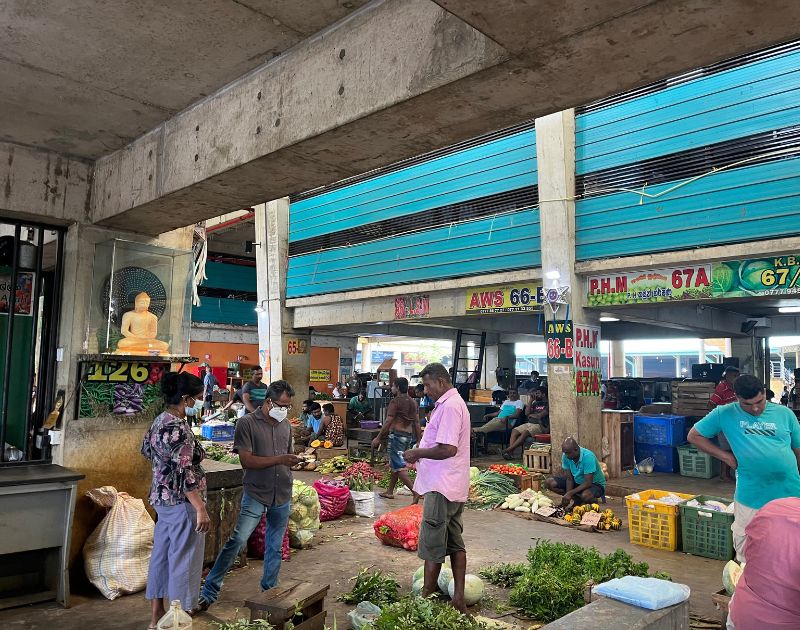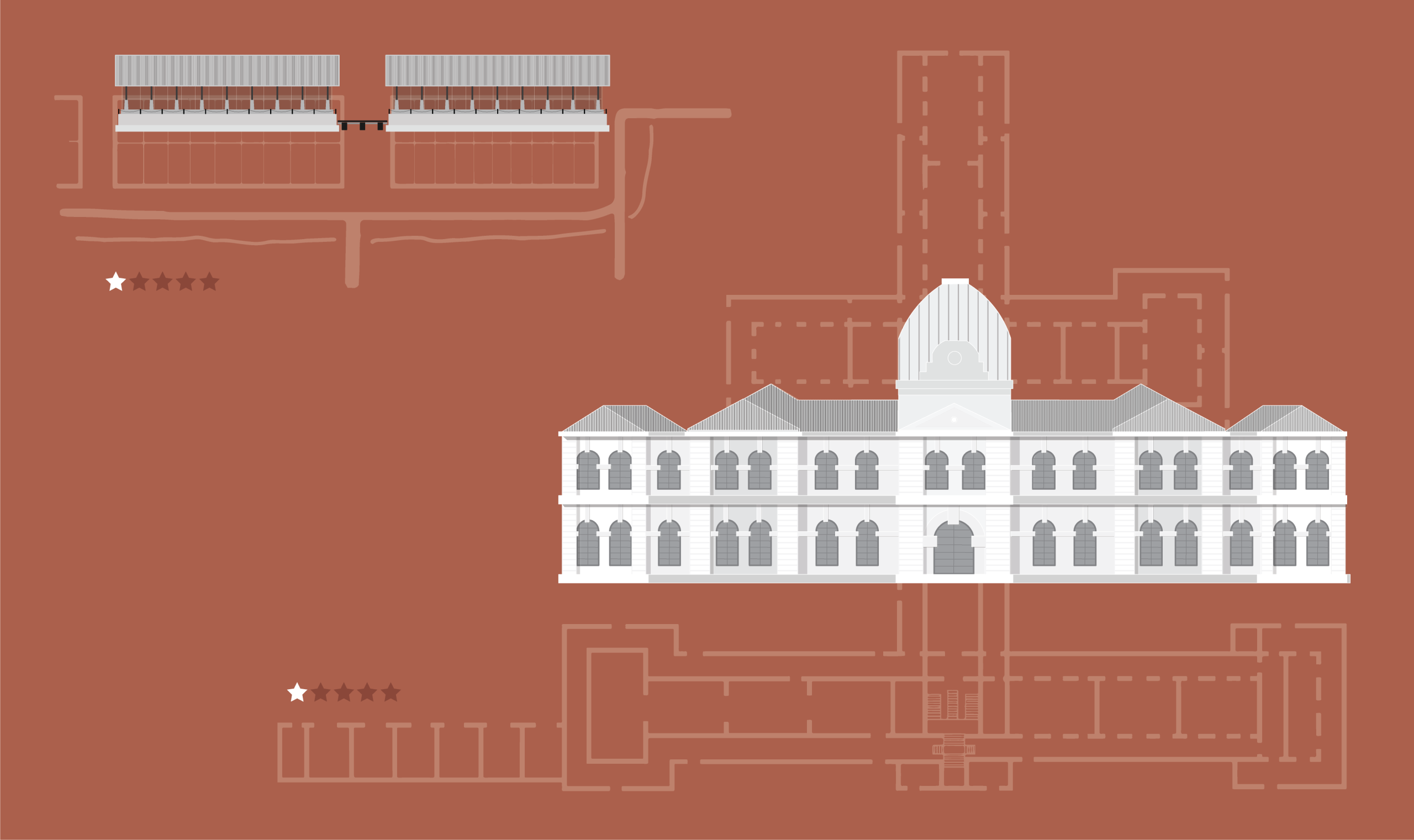

Post-war Colombo was characterised by extensive regeneration and urban development, with the Urban Development Authority placed under the Ministry of Defence. This phase of urban planning featured prestige projects designed to turn Colombo into a ‘World Class City,’ at considerable cost. This report evaluates the legacy of this phase of urban development, taking Arcade Independence Square and Floating Market as representative case studies. These flagship projects were opened within a few weeks of each other in 2014, and are emblematic of the top-down, autocratic and militarised urban planning characteristic of this period.They represented a significant cost to the taxpayer: some estimates of the combined cost of both projects totals LKR 1.25 billion, 2.5% of capital expenditure of the Ministry of Defence of Urban Development. While these projects were assumed to benefit the public through the creation of new accessible public spaces, the projects were also designed to be commercial spaces to ensure return on investment. A decade later, the commercial failure of both projects under the Urban Development Authority has prompted them to be leased to the private sector.
Drawing from a desk review of documents and reports around both projects, site visits as well as a content analysis of user reviews, this report documents public expenditure, user perception, financial feasibility and building design, charting the decline of both projects and examining why they failed to achieve their own objectives. It builds on Colombo Urban Lab’s research and advocacy on Sri Lanka’s debt, specifically looking at national debt incurred for public infrastructure or large scale infrastructure projects.
Read the full report here.