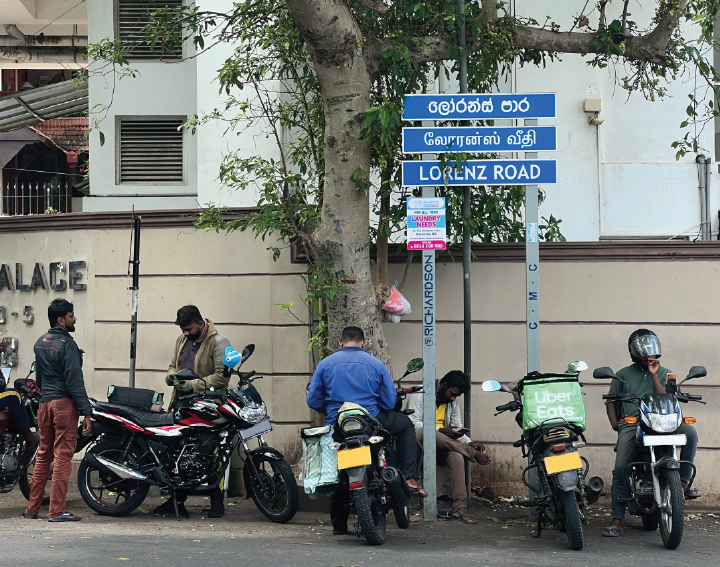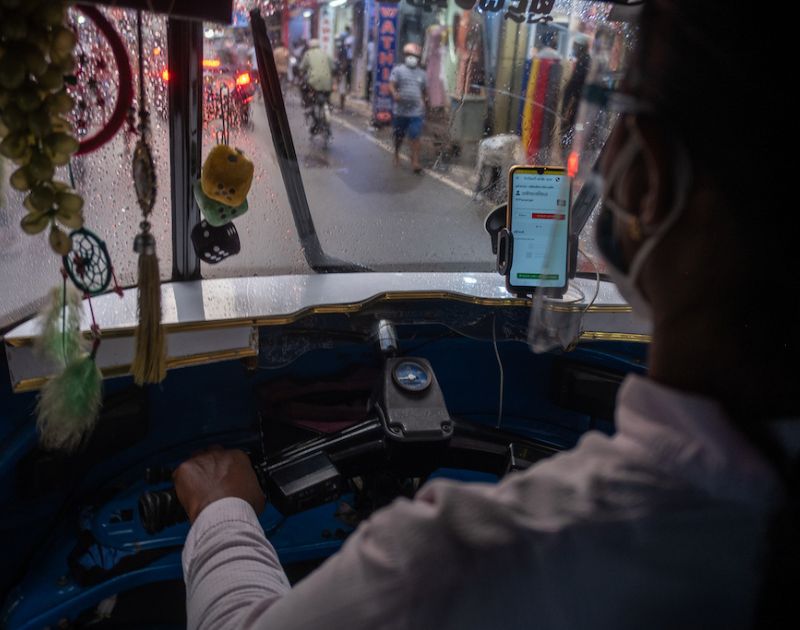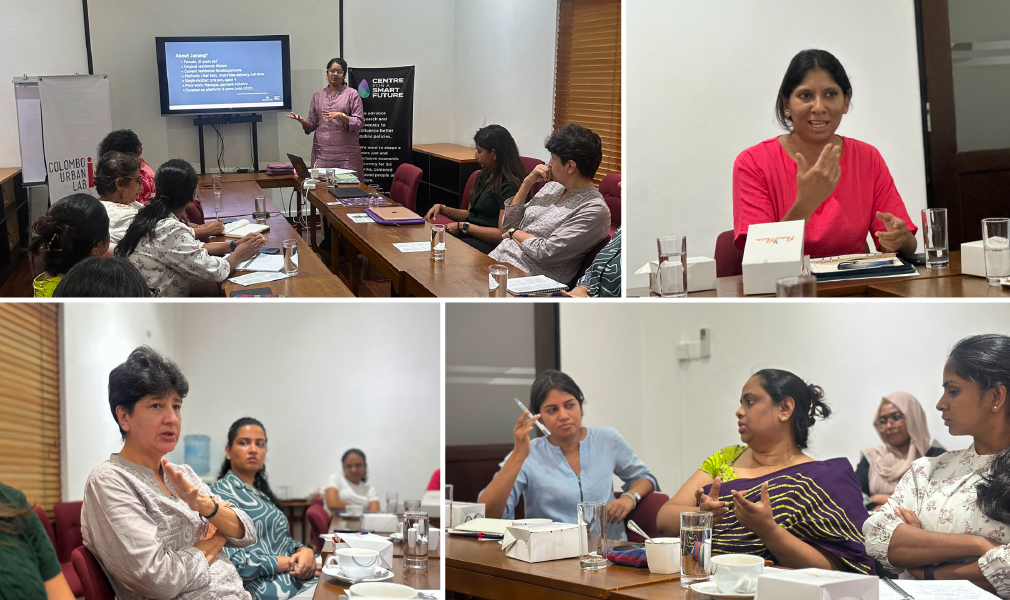

The participation of women in platform-mediated gig work in Sri Lanka is a relatively under-explored topic, despite the growing presence of this type of work in the urban economy. This gap in evidence, and its policy implications, was the focus of a Stakeholder Roundtable convened by Centre for a Smart Future (CSF) and The Asia Foundation (TAF) on 11th June 2026, which brought together women’s rights activists, labour exports, employer association representatives, and researchers to examine the intersection of gender and platform-mediated gig work in Sri Lanka.
The session opened with CSF Junior Researcher Piyumi Wattuhewa, discussed salient points from ongoing research, focussing on why gig work is appealing to women as a flexible income source, but is also precarious in the absence of labour protections and social security. The dynamics shaping women’s motivation to join, and stay, in gig work was also discussed, drawing from extensive field interviews. The discussion that followed covered the unresolved question of employment classification and its effect on access to social protection, gaps in Sri Lanka’s social security scheme structure, health risks such as heat exposure and inadequate care facilities, and the opacity of algorithmic systems that govern pay and income.
Participants also drew on regional experience, with examples shared from India and Indonesia where baseline protections have been introduced for platform workers. The roundtable also considered the challenge of building collective voice in a dispersed workforce with no shared workplace, where coordination currently happens through informal groups rather than formal unions.
Read our Analytical Note here, which summarises the key takeaways and insights from the discussion.