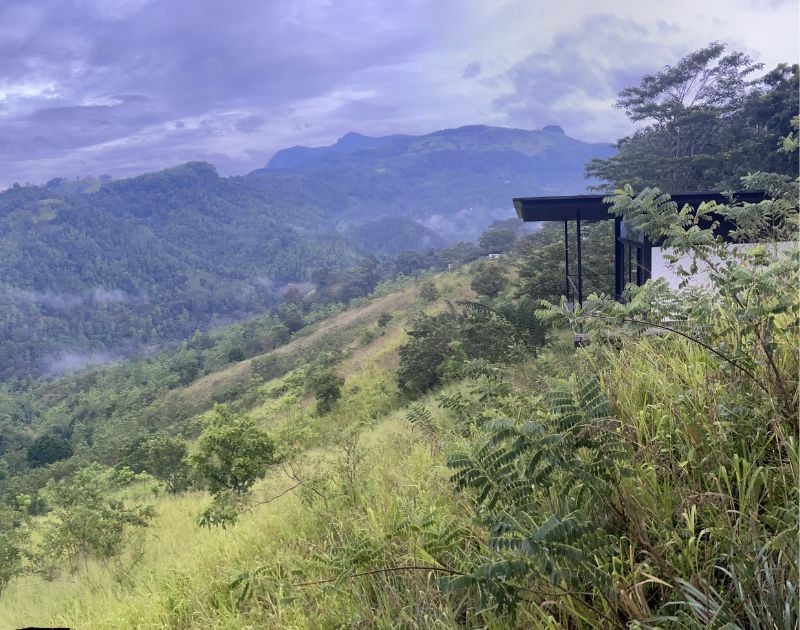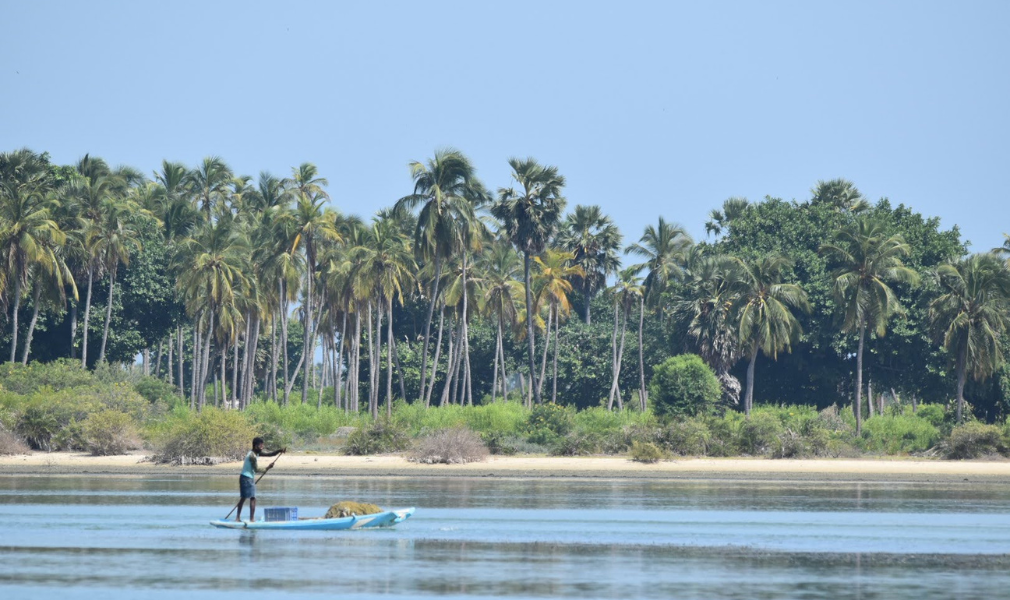

A new Policy Brief by CSF warns that Sri Lanka’s renewed push to lease large tracts of land for tourism risks repeating past failures unless land allocation is grounded in ecological limits, infrastructure readiness, and community realities.
As the government moves to fast-track tourism investment by identifying over 3,000 acres of “ready” land, CSF’s Policy Brief titled, ‘Tourism Development and Land Leases in Sri Lanka: Adopting a Better Framework for Co-discovery with Lessons from Kalpitiya’, argues that land cannot be treated as a neutral input for growth. Drawing on CSF’s field research in Kalpitiya, and the lessons from the long-running Kalpitiya Integrated Tourism Resort Programme, the analysis shows how leasing land without assessing water and waste capacity, environmental sensitivity, governance readiness, and local livelihoods has resulted in stalled projects, idle land, investor uncertainty, and community resistance.
The findings are especially timely as Sri Lanka positions the tourism sector as a key pillar of post-crisis recovery. While streamlined land leasing may appear efficient, CSF cautions that speed without preparedness risks eroding community trust and undermines long-term economic value.
The Policy Brief points to alternative approaches: treating destinations as socio-ecological systems, embedding pre-leasing readiness assessments, strengthening investor information, and engaging communities through co-discovery rather than one-off consultations. CSF argues that a better readiness-based framework can reduce risk, direct investment into more viable sites, and place long-term public value at the centre of Sri Lanka’s tourism ambitions.
Download the Policy Brief here: ‘Tourism Development and Land Leases in Sri Lanka: Adopting a Better Framework for Co-discovery with Lessons from Kalpitiya’