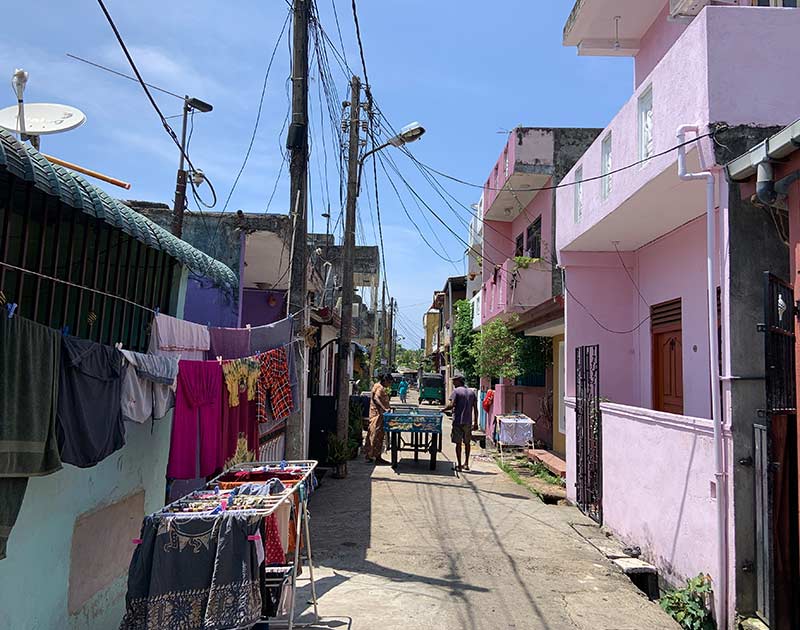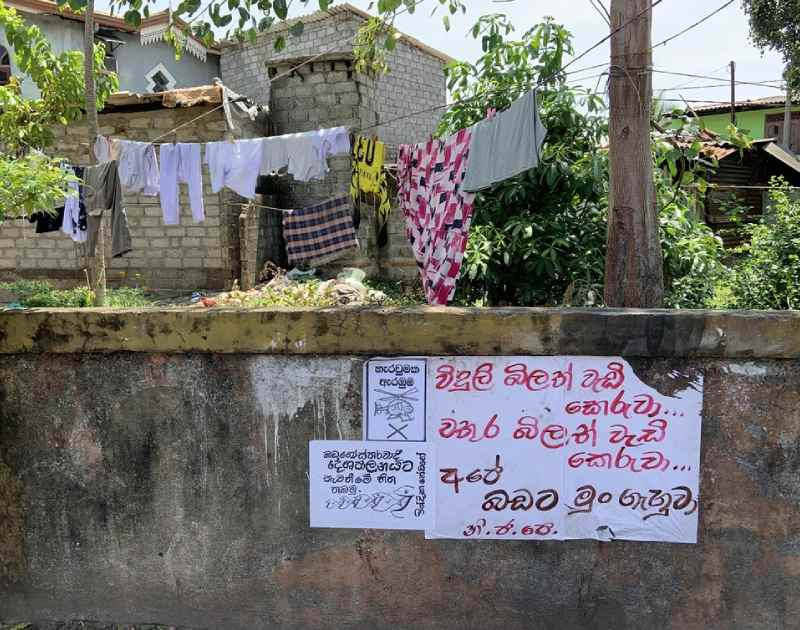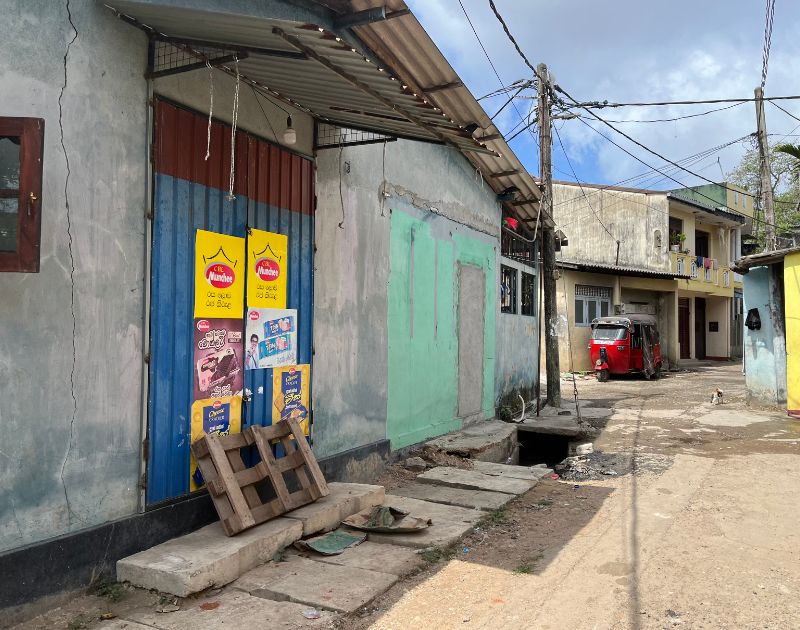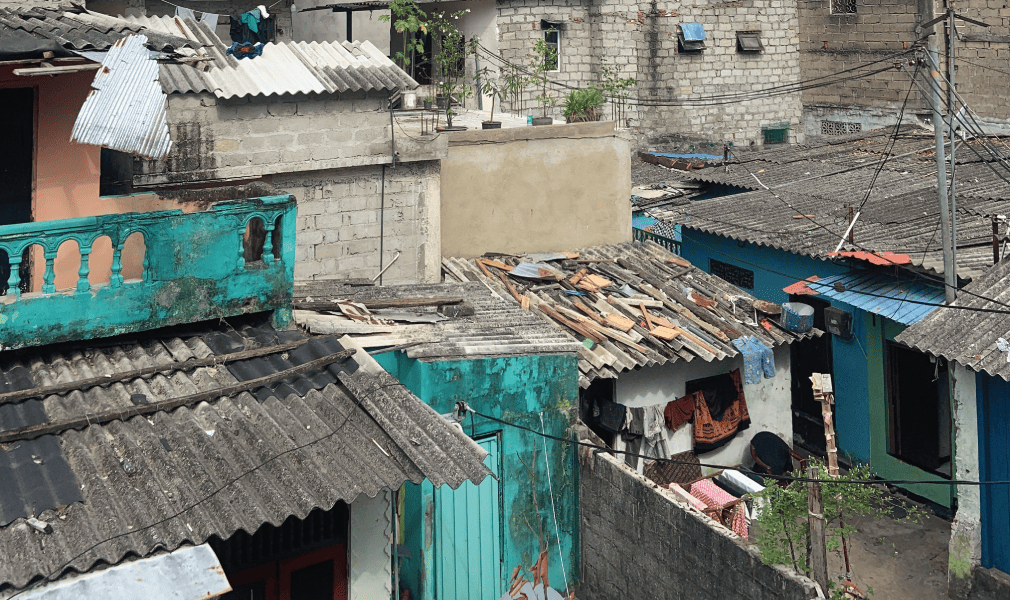

Colombo Urban Lab’s latest policy brief on the impact of Sri Lanka’s polycrisis on the city’s working-class poor communities examines the protracted and often invisible impacts of overlapping crises, and how they have increased vulnerability to new shocks such as natural disasters and the global energy crisis. These findings are based on ongoing qualitative research with communities in Colombo, alongside a household survey conducted in January 2026 across four settlements.
Analysing the impacts of multiple crises over the last four years on these families, many of whom had not yet recovered from the pandemic, it is evident that the situation has evolved into an extended and normalised condition of strain. What began as an economic crisis now reflects multifaceted and interwoven consequences for nutrition, health, education, energy consumption, and overall quality of life, with households facing increasing difficulty in meeting daily expenses.
Systems like Aswesuma, which rely on proxy indicators such as assets and housing, are insufficient in capturing urban poverty. By focusing on minimising inclusion errors, these approaches have resulted in exclusion at a time when households required support in ways not previously experienced.
At the same time, households report exhausted reserves and the mainstreaming of maladaptive coping mechanisms into everyday life. Families continue to rely on borrowing, pawning jewellery, and selling assets to meet basic needs, while many no longer have buffers to manage future shocks. Each new shock creates a negative feedback loop that further destabilises households and increases vulnerability.
External shocks such as Cyclone Ditwah and rising electricity costs linked to the global energy crisis further compound these pressures. Flooding, income loss, and increasing energy burdens intersect with existing financial strain, highlighting the limitations of treating crises as isolated events. Without comprehensive and inclusive approaches to social protection and climate resilience, these impacts risk becoming generational.
Read the full policy brief here.