
The government has begun preparing for El Niño, and media coverage on the phenomenon shows that public concern is growing for what is to come. The country is particularly bracing for one of the hottest years on record, followed by flash floods in the North and East. A Special Cabinet Subcommittee and Officials’ Committee was swiftly appointed by the President to address El Niño’s impacts, and is primarily focusing on action plans for agriculture, food security, plantations, water management and energy. The subcommittee also recently called for disaster drills and a public awareness drive.
While these actions matter, interventions so far are more focussed on economic sectors and less on the people. Research by CSF and CUL over the years points to critical gaps in how wider climate impacts are understood and addressed, and where stronger protections are needed.
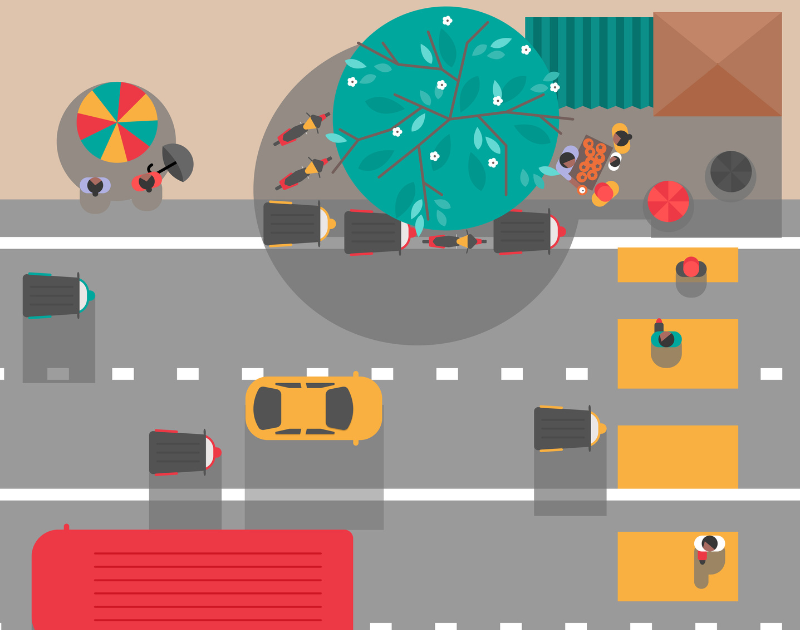
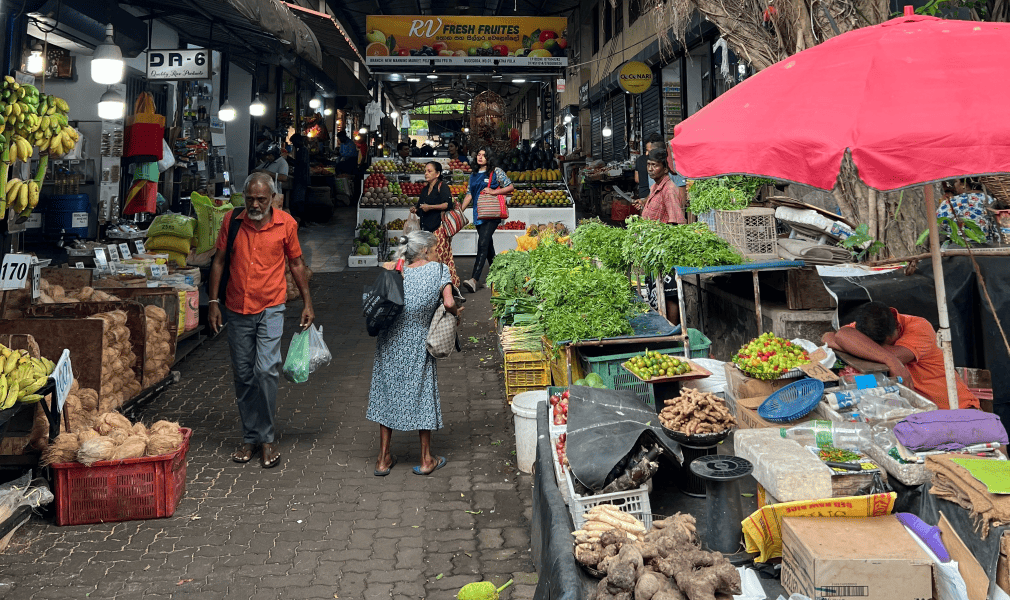
Certain occupations carry elevated heat exposure. Agricultural workers, construction workers, traffic police, solid waste handlers, outdoor vendors, manual laborers and other outdoor workers were often cited as more exposed to heat stress due to their nature of work, and also reducing safe working hours per day. Heat stress is not limited to outdoor workers. Indoor workers, including factory workers and hotel kitchen staff, can face high temperatures in their workplaces, in addition to exposure to heat while travelling to and from work. “Stay indoors” health advisories are difficult to follow when a day without work means a day without income. With limited formal protections or support, workers often pay for their own adaptations, including umbrellas, fans, coverings and cooling drinks.
What’s needed: Sri Lanka needs a coordinated, multi-sectoral Heat Action Plan – nationally as well as locally – that uses climate and socio-economic data to target protection where it is most needed.
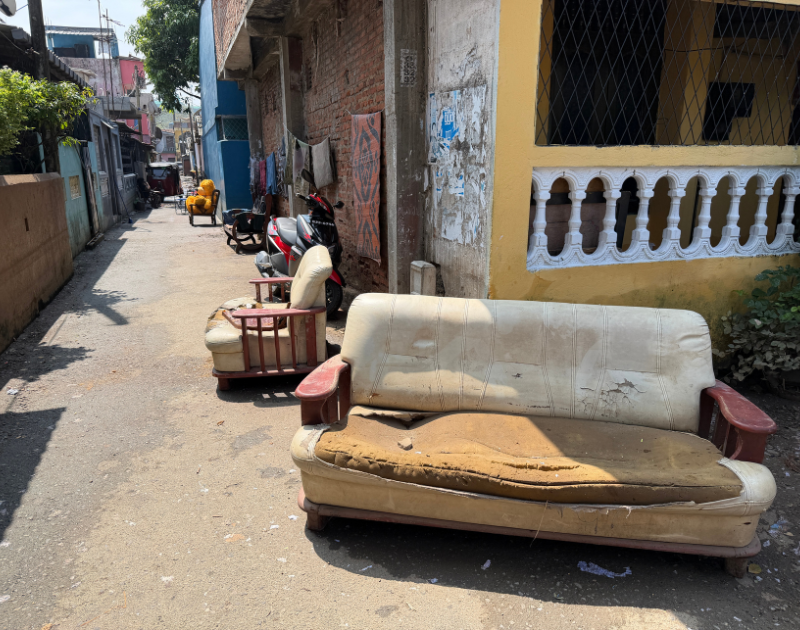
Housing quality, location and access to basic services shape how safely households cope with extreme heat and water stress. Poorly designed or poorly ventilated homes can trap heat, with some residents in high-rises reporting that indoor temperatures remain high well into the night. Hotter periods can also mean higher electricity and water use as households rely more on fans, cooling and water for bathing and other ways of coping. For lower-income households with fewer resources to adapt, these rising costs can make climate adaptation harder. Yet these issues are unaccounted for in planning, with no data collected on thermal comfort or climate impacts, particularly from low-income settlements.
What’s needed: Housing can either reduce climate risk or deepen it. Housing policy needs to integrate adaptation planning with heat-resilient design, ventilation, shade and access to basic services.
Heat interacts with women’s reproductive and hormonal health in ways that are under-recognized. Pregnant, lactating, menstruating, and menopausal women face compounded difficulty tolerating heat. Women outdoor workers are also more susceptible to UTIs during periods of high heat, as limited access to toilets during the workday can lead them to reduce their water intake and increase the risk of dehydration. Poor housing conditions disproportionately affect women, children and the elderly who spend most of their time indoors at home. Women, as primary caregivers, are also the ones absorbing the secondary burden of managing children’s heat exposure. Women are burdened with more laundry work during high heat days and additional care work carried out as a coping mechanism to heat. Yet these gender-specific risks are often missing from climate response planning.
What’s needed: Climate adaptation needs to incorporate strong gender considerations, given that women are among the populations most vulnerable to heat stress.
As indoor temperatures increase, there is limited respite that residents can seek in outdoor public spaces. A majority of low-income settlements do not have easy access to an open space, and only 4% of all settlements have access to an open or green space within the settlement. Where such spaces exist, they are not equipped with sufficient shaded areas and drinking water facilities or community taps. Researchers and public health officials argue that such public spaces are crucial to cope and adapt to heat, and also help build community monitoring on elders and women who tend to get lesser attention when they show signs of heat stress within the confines of their homes. While flooding is integrated to a certain extent in the UDA’s planning strategy, holistic climate resilience including heat stress is not flagged as a concern in urban planning.
What’s needed: Urban planning needs broader initiatives where climate and heat adaptation are preemptively embedded into city planning.
While food shortage is a growing concern, action plans for El Niño need to go beyond just focussing on the agricultural sector and planning for imports. Climate shocks affect not only food production, but also access to and affordability of food. As past crises have shown, vulnerable households cope by reducing meals, withdrawing children from school, or selling household assets. Vendors can also face rising costs, disrupted supply and debt, affecting both their livelihoods and the communities they serve.
What’s needed: Food security planning needs to account for household food access, affordability and dietary diversity – alongside agricultural output.
El Niño and other climate shocks can intensify floods, droughts, food insecurity and income loss, deepening existing vulnerabilities. The impacts are uneven: households with insecure incomes, limited savings or fewer assets have less capacity to recover. Yet social protection remains largely reactive, often reaching households after a shock rather than helping them prepare for it – pushing already vulnerable households further into debt and precarity.
What’s needed: Sri Lanka needs adaptive social protection that can anticipate climate risks, respond quickly to shocks, and strengthen household resilience before crises deepen.
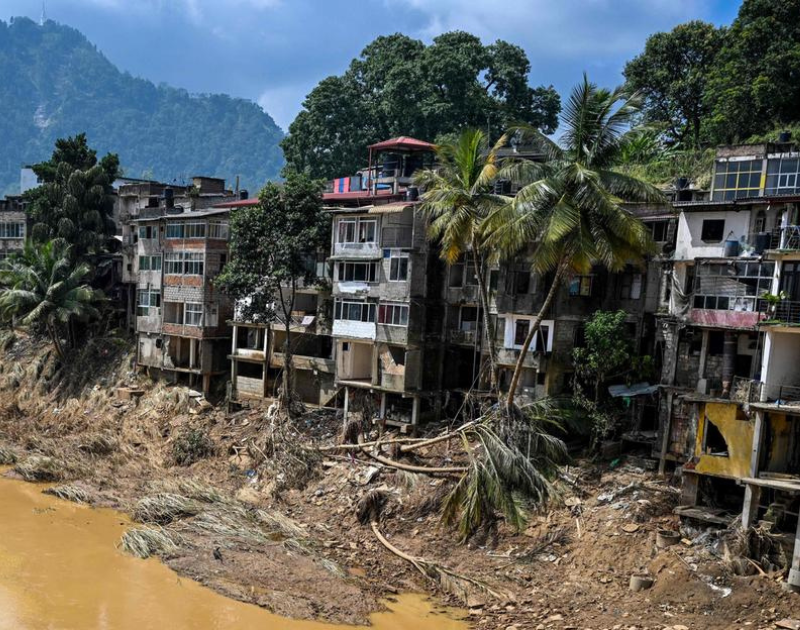
Unlike a sudden hazard such as Cyclone Ditwah, El Niño has given advance notice, and rising climate variability has been flagged as a major risk for years. Yet having a forecast is different from having the capacity to act on it. National and local triggers that link early warnings to specific actions are still lacking. Climate information also tends to stay at the technical or national level rather than reaching local authorities and communities.
As Sri Lanka is in the midst of navigating the effects of El Niño, it is crucial to ask: what kind of preparedness are we building? The same climatic event can have very different consequences depending on people’s livelihoods, exposure and ability to adapt. And preparedness must go beyond economic sectors to consider people, vulnerability and equity, ensuring action plans protect all vulnerable groups. Else, we risk missing the bigger picture entirely.
Resources for further reading:
Views expressed in this article are strictly the author’s own.
Cover image copyright 2026 Centre for a Smart Future and Colombo Urban Lab.